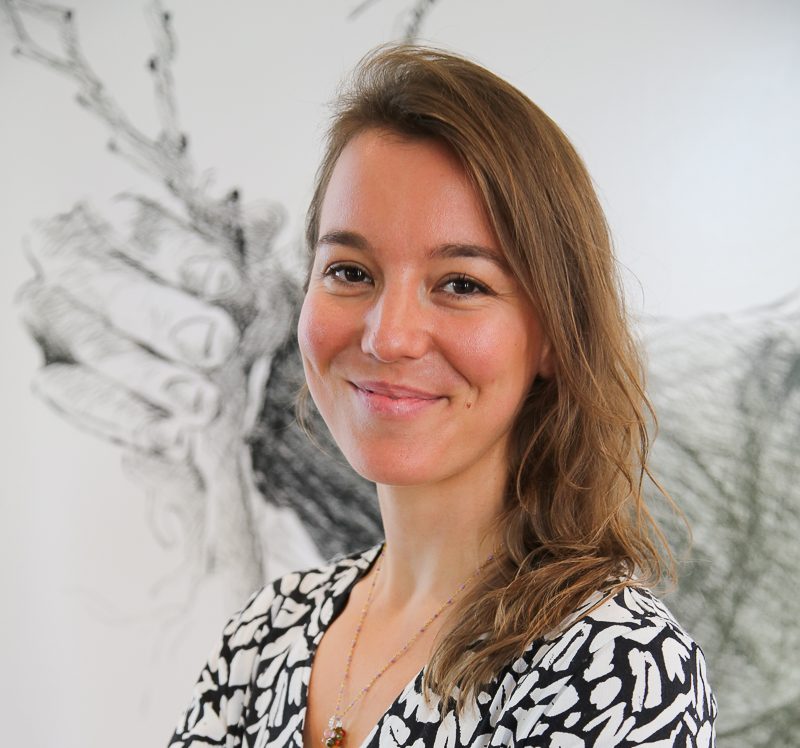
Could you provide some information about yourself and your scientific background, including previous studies and degrees you have obtained?
My background brings together wine business, international management, viticulture and oenology. After completing a Bachelor’s degree in Wine Marketing and Management at INSEEC Bordeaux, I joined the OIV MSc in Wine Management, an international programme that exposed me to leading wine regions, markets and business models worldwide. I later pursued the EuroMaster in Viticulture and Oenology at Montpellier SupAgro and Hochschule Geisenheim University, combining commercial insight with scientific expertise and developing a broad understanding of wine as both a product and a cultural asset.
Could you describe your scientific research and previous projects, listing your key expertise and skills?
My previous research focused on proanthocyanidins, key oenological compounds involved in wine structure, astringency, redox activity and colloidal stability. Conducted in collaboration with INRA and the Georgian Ministry of Agriculture, the project explored the diversity of proanthocyanidin composition across Vitis, particularly Vitis vinifera. It combined biochemical, genetic and geographical approaches to examine compositional diversity, phenotype–genotype relationships, tannin heritability and links to domestication. This work strengthened my expertise in scientific analysis, interdisciplinary research, international collaboration and the interpretation of complex data within a wine context.
What was the motivation for joining the Eco2Wine project?
Eco2Wine offered the opportunity to explore how the wine sector is evolving at the intersection of heritage, sustainability, innovation and changing consumer expectations. I was particularly drawn to the project’s ability to connect scientific research with strategic questions around perception, value and positioning. With experience spanning both wine production and market-oriented research, I see the project as a way to generate insights that are academically rigorous while remaining relevant to producers, premium wine businesses and the wider international wine industry.
What is the motivation and aim of your PhD project?
My PhD investigates how personal values, beliefs and perceptions shape consumer preferences and purchasing decisions for conventional, natural and biotechnology-assisted wines. Through a cross-cultural comparison between Germany and Georgia, I examine how concepts such as authenticity, naturalness, sustainability, tradition and innovation influence wine choice. The aim is to develop a deeper understanding of consumer motivations and translate these insights into meaningful approaches to segmentation, positioning and market strategy, particularly within a wine sector where provenance, storytelling and perceived value play an increasingly important role.
Could you write a few sentences about yourself, your hobbies, and your interests?
One of my most adventurous projects was co-owning a small artisanal winery in Georgia, where we produced natural wine in qvevris using traditional methods. It was a passion project that brought together wine, entrepreneurship, culture and a healthy dose of audacity. Beyond wine, I am drawn to gastronomy, cultural heritage, design and the rituals of hospitality, as well as travel and discovering places through their food, wine and traditions.
Capucine Dentraygues
Preferences regarding natural wines and biotechnological wines
HGU
Supervisor:
Prof. Dr. Jon Hanf – HGU
Co-supervisor(s):
Prof. Daniela Fracassetti – UMIL
Mr. Levan Mekhuzla – NWAG
Starting date: 01.07.2024
Capucine's blog


