Eco2Wine Consortium Meets in Dijon to Review Progress and Strengthen Collaboration
20 February 2026
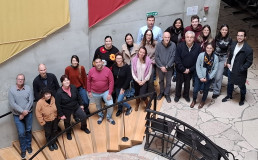
Eco2Wine Principal investigators
The Eco2Wine consortium gathered in Dijon, France, on 12–13 December 2025 for its second annual project meeting, marking an important milestone in the Horizon Europe–funded doctoral network’s journey.
Hosted in the heart of Burgundy, the meeting brought together principal investigators and doctoral candidates to review progress to date, strengthen cross-work-package integration, and plan activities for the year ahead.
The first day focused on project governance and coordination, with updates on management, finances, deliverables, and training activities. Work package leaders reported strong progress across scientific objectives, doctoral recruitment, and career development, alongside ongoing efforts to ensure timely delivery and effective collaboration across the consortium.
A central feature of the meeting was the presentation of scientific advances across the project’s diverse research strands by principal investigators and doctoral candidates. Updates highlighted progress in mapping and conserving wine-associated microbial ecosystems; uncovering mechanisms of microbial interactions relevant to fermentation and bioprotection; and exploring grapevine and grape biocontrol strategies to reduce chemical inputs and enhance resilience to biotic and abiotic stress, complemented by research on consumer preferences and science communication in the wine industry.
In terms of communication, dissemination, and impact, discussions focused on how to better connect Eco2Wine’s scientific outputs with winemakers, industry stakeholders, policymakers, and wider publics. Building on progress to date (including the project website, popular articles, and social media activities) the consortium identified opportunities to expand media outreach and public engagement initiatives in line with Horizon Europe expectations.
The Dijon meeting reinforced Eco2Wine’s commitment to advancing sustainable, microbiome-informed approaches to viticulture and winemaking, while training the next generation of researchers to work at the interface of science, industry, and society.
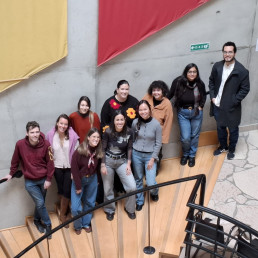
Doctoral candidates at the Dijon project meeting